
Residential Rehab Loans financing in Nashville

Property Strategy

Residential Rehab Loans in Nashville, TN

Hard money loans for residential property rehabilitation

Property Type Overview

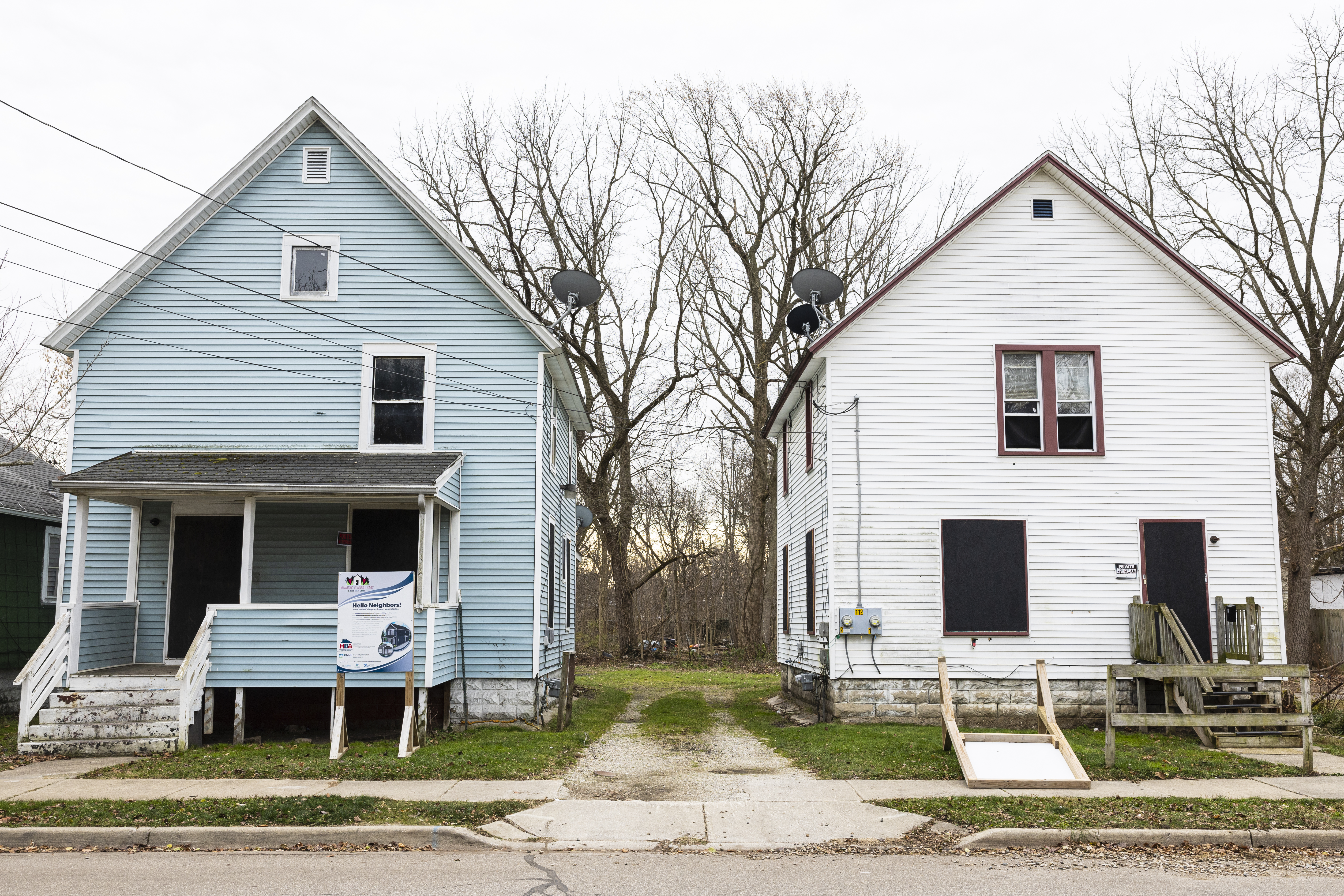
Nashville's residential stock is full of opportunities for investors who are willing to do what buyers are not — walk into a property that needs work, price the renovation honestly, and execute the plan that produces a stabilized, market-ready asset. East Nashville bungalows with deferred systems, Inglewood ranches with dated interiors, Donelson ranches with aging kitchens, and suburban homes across Davidson and Williamson counties that need comprehensive updating represent the daily inventory of residential rehab lending in this market.

At Hard Money Lenders of Nashville, residential rehab loans fund the acquisition and renovation of single-family homes, townhomes, and condos in distressed or dated condition. Banks will not lend on properties without functioning kitchens, with open permits, with structural deficiencies, or with significant systems failures. Those are exactly the properties where investor margins are strongest, and our asset-based lending is built to serve that opportunity.

The Nashville buyer market creates a clear renovation standard for investors targeting the $400,000-$800,000 resale range. The inbound migration wave — particularly from California, New York, and other high-cost, high-tax states — has brought a buyer pool that is accustomed to renovated properties and will pay premium prices for quality work. Quartz countertops, LVP flooring, updated tile, open layouts, and modern fixtures are not optional upgrades in Nashville's competitive resale market — they are the baseline expectation for buyers in this price range. That clarity of expectation creates a dependable path from distressed acquisition through renovation to profitable exit for investors who execute the work correctly.

We lend to investors at every experience level — from first-time rehabbers tackling their first renovation to experienced operators running multi-property pipelines across several Nashville submarkets simultaneously. The underwriting standard adjusts for experience, but the deal criteria are the same: realistic purchase price, honest renovation scope, after-repair value that the comps support, and adequate contingency.

Ideal Use Cases

Single-family residential rehab acquisitions are the most common application. You identify a distressed home through the MLS, a wholesaler, an estate sale, or an off-market source. The property needs renovation that disqualifies it from bank financing — deferred systems, cosmetic damage, structural items, or simply outdated finishes that make it unmarketable at the seller's asking price. We fund the acquisition and the renovation through a single loan, releasing renovation capital through a draw schedule as work progresses.

Major systems rehabilitation — HVAC replacement, electrical panel upgrades, plumbing replumbing, roof replacement — is the category of work that creates the most durable value increase. Properties priced to reflect major systems liabilities typically offer significant spread between the distressed acquisition price and the renovated market value. We fund these projects explicitly, including the systems work in the renovation draw facility.

East Nashville and Germantown historic residential rehabilitation represents a specialized rehab niche with unique characteristics. Properties in Nashville's historic neighborhoods often carry architectural details — original hardwood floors, period millwork, historic windows, craftsman details — that add value if preserved. Renovations that balance modernization with period character can command significant premiums from buyers who specifically seek the neighborhood's aesthetic. We are familiar with these renovation scopes and accommodate contractors who specialize in historic residential work.

Cosmetic renovation and interior refresh projects serve properties that have good bones and functional systems but outdated finishes that suppress market value. New kitchens, updated bathrooms, fresh flooring, and paint can move a property meaningfully in terms of both resale value and rental income. These lighter rehab scopes carry lower risk and often close and complete faster than heavy rehabilitation projects.

Rental-hold rehabilitation prepares properties for long-term rental rather than resale. The renovation standard is different from a flip — durable, low-maintenance finishes matter more than premium materials, and practical layouts and functional systems matter most of all. We structure these loans with DSCR refinancing as the exit rather than a market sale, and we accommodate the longer seasoning period that rental stabilization requires before permanent financing is available.

Common Challenges

Scope discovery after acquisition is the most consistent challenge in residential rehab lending. A property that appears to need cosmetic work frequently reveals structural issues, knob-and-tube wiring, galvanized plumbing, or HVAC problems once the renovation begins and walls are opened. Nashville's older residential stock — particularly in East Nashville, Germantown, Inglewood, and Madison — includes properties from the 1920s-1950s where hidden condition issues are the rule rather than the exception.

Nashville's renovation labor market is tight and competitive. Strong residential contractors are booked weeks in advance, and quality trade subcontractors — plumbers, electricians, tile setters — command premium rates in a market where construction demand has consistently exceeded labor supply since the migration wave began. Investors who do not have established contractor relationships frequently pay higher rates and wait longer for scheduling than those with established trade networks.

After-repair value estimation requires careful comparable analysis in a market that has seen meaningful price movement across different submarkets and price points. Conservative ARV underwriting protects both borrower and lender from projects that do not produce the expected return due to market pricing changes during the renovation hold period.

Permit timing through Metro Nashville affects project schedules. Plan review, permit issuance, and inspection scheduling can add weeks to projects, particularly for significant structural or electrical work. Building realistic timeline assumptions into project planning — and into the loan term — is essential for managing the carrying cost risk.

Application Approach

We begin residential rehab loan evaluation with the scope of work. A detailed, line-item renovation budget is required — not a round number. The specificity of the budget tells us whether the investor has honestly assessed what the property needs and whether the contingency is adequate. We compare the scope to the property's condition based on our inspection review and appraisal information.

After-repair value underwriting uses conservative comparable analysis from our appraisal network. We do not accept investor-provided ARV projections without verification from market data. Conservative ARV protects both parties and ensures that the renovation scope justifies the investment.

Draw disbursements happen within 48-72 hours of inspection confirmation. The inspection process is straightforward — you request a draw, we confirm the work, funds are wired. Extensions are available for projects that encounter legitimate delays, and we address extension structures at origination rather than negotiating under pressure at maturity.

Nashville Market Context

We finance residential rehab projects across Nashville and Middle Tennessee — East Nashville, Germantown, Inglewood, Donelson, Madison, Antioch, Berry Hill, 12 South, Sylvan Park, Bellevue, and suburban markets including Brentwood, Franklin, Hendersonville, Smyrna, Lebanon, Mt. Juliet, and Spring Hill. We understand renovation opportunity, finish expectations, and exit value across Nashville's distinct residential submarkets.

Common Questions

Frequently Asked Questions

Can you fund residential rehab on a fire-damaged or severely distressed property?

Yes. Properties with structural damage, fire damage, water intrusion, or severe deferred maintenance are exactly the situations where hard money rehab lending applies. Banks decline these; we evaluate them based on the stabilized value after renovation and the credibility of the renovation scope. If the after-repair value supports the loan structure, the current condition does not disqualify the deal.

How detailed does the renovation scope need to be?

We require a line-item budget with cost breakdowns by trade or category — not a round-number estimate. The detail requirement is not administrative formality; it helps us confirm that the scope reflects what the property actually needs and that the contingency is sufficient. Detailed scopes from qualified contractors are the strongest submission. Investor-prepared estimates with contractor review are also acceptable for experienced borrowers.

What is the maximum renovation budget you will include in the loan?

The renovation budget is capped by the after-repair value LTV rather than a fixed dollar amount. If the total loan — acquisition plus renovation — is within our LTV threshold based on the ARV, the renovation component can be substantial. Heavy rehabilitation projects that require significant structural and systems work are common in our program.

Can I convert a residential rehab to a rental hold if the sale market softens?

Yes, and we plan for this contingency at origination. When we underwrite a residential rehab loan, we confirm that the property produces adequate rental income at stabilized occupancy as a secondary exit. If market conditions change during the renovation and resale becomes less attractive, the rental hold option should be viable without requiring an emergency refinance.

What Nashville submarkets produce the strongest rehab returns?

Strong rehab returns have historically come from neighborhoods with consistent buyer demand, improving price trajectory, and available distressed inventory. East Nashville, Inglewood, Donelson, and Madison represent the urban-adjacent tier. The suburban markets — Hendersonville, Smyrna, Lebanon, and Spring Hill — produce strong returns in the $350,000-$550,000 resale range where first-time and move-up buyers are active.

Ready to Request Quotes for Your Residential Rehab Loans Strategy?

Share your property details and projected timeline. We route qualified inquiries to participating lenders who may be able to help.