
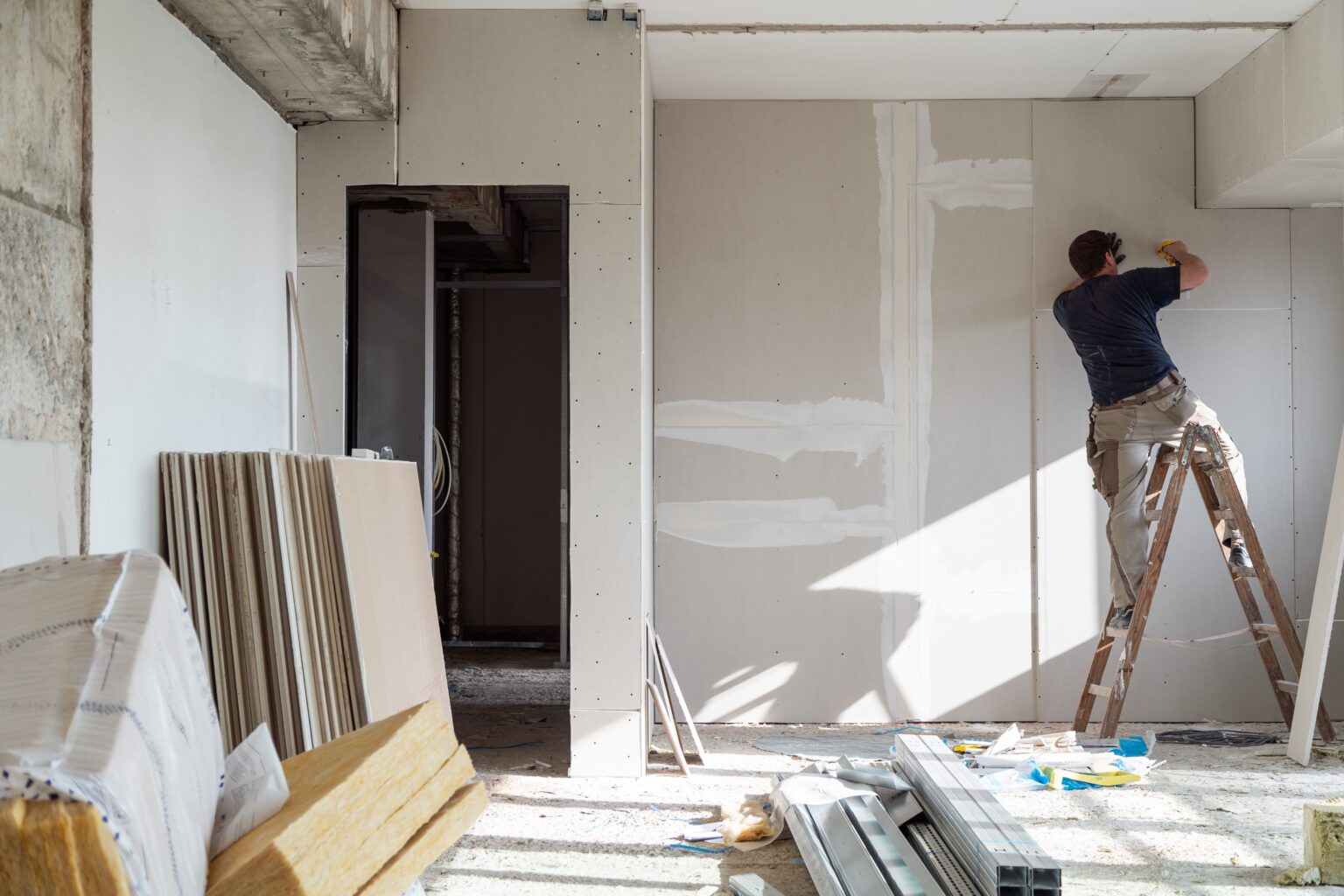
Rehab Loans financing in Nashville

Loan Program

Rehab Loans in Nashville, TN

Hard money loans for property rehabilitation and renovation

Program Overview

Nashville's housing stock includes several decades of deferred maintenance, outdated systems, and period finishes that buyers increasingly reject. East Nashville bungalows, Inglewood ranches, Madison colonials, and suburban homes from the 1980s and 1990s across Davidson and Williamson counties all represent rehab opportunities for investors willing to execute the renovation that brings these properties to current market standards.

At Hard Money Lenders of Nashville, rehab loans serve investors who are repositioning distressed or outdated residential properties through renovation — whether the exit is resale, long-term rental, or refinancing into a DSCR product. We fund acquisition and renovation in one loan, release draw funds efficiently, and underwrite based on the after-repair value rather than the current distressed condition that banks use to decline the deal.

Rehabilitation lending in Nashville has specific characteristics. The labor market is tight, which means renovation costs run higher than they did five years ago and contractor availability requires advance planning. The buyer pool for renovated properties is strong and well-educated — particularly in the $400,000-$700,000 resale range where California and New York transplants represent a significant share of buyers and have high expectations for finish quality. And the rental market is robust across most Nashville submarkets, which means renovated properties can transition between a flip exit and a rental hold depending on how market conditions evolve during the project.

We work with investors executing their first rehab and those running multi-property pipelines. The requirements are the same regardless of experience level: a realistic scope of work, an honest renovation budget, comparable sales that support the after-repair value, and a clear exit plan. What changes with experience is the leverage, the processing speed, and the level of project management scrutiny we apply during the renovation period.

How Investors Use It

Single-family residential rehab is the most active category. You acquire a distressed home — deferred maintenance, dated systems, cosmetic issues, or significant structural items — and you renovate it to current market standards. We fund both the acquisition and the renovation through a single loan, minimizing the documentation burden and the number of lenders involved in the transaction.

Major systems rehabilitation — roof, HVAC, plumbing, electrical — is the category of renovation work that conventional financing is least likely to fund and that generates the most durable value increase. A home that needs a new roof and electrical panel is often priced significantly below market to reflect those liabilities. We fund the acquisition and the systems work, and the exit value reflects the addressed deferred maintenance.

East Nashville and Germantown historic fabric rehabilitation is a specialized subcategory. Some properties in Nashville's historic neighborhoods have architectural character that adds value if preserved — original hardwood floors, period trim, historic windows, vintage tile. Renovations that preserve and restore these features command premiums from buyers who specifically seek them. We are familiar with renovation scopes that balance modernization with historic character preservation.

Heavy rehabilitation — properties requiring gut renovation — is explicitly in our program. Banks will not finance properties without functional kitchens, baths, and HVAC. We evaluate heavy rehab deals based on the post-renovation value and the contractor's ability to execute, not on the current uninhabitable condition.

Commercial rehabilitation serves investors repositioning office, retail, and light industrial properties through tenant improvement, systems upgrade, and modernization work. These projects often follow a similar pattern to residential rehab — acquire below market due to condition, invest in targeted improvements, exit at improved stabilized value through sale or refinancing.

Rental-hold rehabilitation specifically prepares properties for long-term rental rather than resale. The renovation standard for a rental is different from a flip — durable finishes, low-maintenance systems, and practical layouts matter more than premium countertops and designer fixtures. We fund these projects with the understanding that the exit is a DSCR refinance rather than a market sale, and we structure terms that accommodate the longer stabilization period.

Common Challenges

Scope creep is the most consistent challenge in rehabilitation lending. A cosmetic renovation that opens the walls and discovers knob-and-tube wiring, galvanized plumbing, or foundation issues becomes a major systems project. We build contingency into initial budgets and encourage borrowers to conduct thorough pre-purchase inspections to reduce the probability of mid-project surprises.

Nashville's contractor market is competitive for quality trade work. Plumbers, electricians, and HVAC installers with experience in renovation work — as opposed to new construction — are in demand, and investors who have not built contractor relationships may face long wait times or pay premium rates for available labor. This is a real project risk that affects timeline and budget.

After-repair value estimation requires careful comparable analysis. In Nashville's most active submarkets, sales comps may be thin in specific property types or configurations, making ARV projection challenging. We use conservative ARV estimates and require appraisal support that reflects realistic market conditions rather than best-case scenarios.

The distinction between cosmetic renovation and structural rehabilitation matters for both budget and timeline. Investors who underestimate the scope required to bring a property to sellable or rentable condition frequently find that the deal does not pencil at their original acquisition cost. We prefer to see detailed inspections and honest scope estimates before closing rather than discovering the problem after the rehab is underway.

Lending Partner Approach

Rehab loan underwriting starts with the scope of work. We want a detailed, line-item renovation budget — not a round number. The specificity of the budget tells us a lot about whether the investor has thought through the project carefully and whether the contingency is adequate for what the property actually needs.

We evaluate the ARV through our own appraisal process and compare it to the borrower's projection. Conservative ARV estimates protect both parties. We release renovation draws quickly after inspection confirmation and maintain open communication throughout the project.

Extension terms are available for projects that encounter legitimate delays, and we address extension scenarios upfront rather than at maturity. Our standard is transparent communication about cost of capital throughout the loan term.

Nashville Market Context

We finance rehab projects across Nashville and Middle Tennessee — East Nashville, Germantown, Inglewood, Donelson, Madison, Antioch, Berry Hill, 12 South, Bellevue, and suburban markets including Brentwood, Franklin, Hendersonville, Murfreesboro, Lebanon, and Smyrna. We understand rehabilitation opportunity and exit value across Nashville's distinct submarkets.

Common Questions

Frequently Asked Questions

What is the difference between a rehab loan and a fix-and-flip loan?

Functionally similar, but the exit strategy is the distinction we pay most attention to. Fix-and-flip loans are structured with resale as the primary exit. Rehab loans can exit into resale, long-term rental, or a DSCR refinance — and we structure the term and draw schedule to accommodate whichever exit makes sense for your project. The renovation financing mechanics are essentially the same.

How do you handle heavy rehabilitation projects with major systems work?

Heavy rehab — gut renovations, major structural work, full systems replacement — is a project type we fund regularly. We require a detailed scope from a qualified contractor, adequate contingency, and realistic timeline expectations. The ARV needs to support the total loan amount including all renovation costs. Heavy rehab properties often represent the strongest investor returns, and the condition does not disqualify the deal.

Can I use the rehab loan to fund both the purchase and renovation?

Yes. Our rehab loans fund acquisition at closing and hold renovation capital in escrow, releasing it through a draw schedule as work is completed. You receive acquisition capital to close and access renovation funds as your contractor completes project milestones. The total loan is structured around the after-repair value rather than requiring separate purchase and renovation facilities.

What renovation work can be funded through draws?

Most renovation work qualifies — roofing, HVAC, plumbing, electrical, kitchen and bath renovation, flooring, structural repairs, foundation work, exterior improvements, and interior finishes. Soft costs, contractor deposits in excess of normal trade norms, and land costs are typically not included. We review the scope at underwriting and confirm eligible cost categories.

How does Nashville's market support rehab investment returns?

Nashville's inbound migration, strong employment base anchored by Vanderbilt Medical, HCA Healthcare, and corporate relocations, and the no-state-income-tax draw all support consistent buyer demand for renovated residential properties. The buyer pool in the $400,000-$750,000 range — where many Nashville rehab exits land — includes a significant share of out-of-state buyers with high finish expectations and real purchasing power.

Ready to Request Quotes for Your Rehab Loans?

Share the property details and timeline. We will route your inquiry to participating lenders who may be able to help.